

Switzerland is a nation of outdoor sports enthusiasts. Around 70% of the country's residents prefer to exercise outdoors, and it goes without saying that summer is a very popular time for this. Exercise is good for you, but high temperatures can put a huge strain on the cardiovascular system. There are a number of points to bear in mind to ensure that workouts and exercise remain beneficial for your health in summer even if it gets very hot, and above all that they remain enjoyable. We explain how the body reacts when exercising in the heat and what the potential dangers are. You will also get some valuable tips for worry-free summer workouts.
How the body reacts when you exercise in the heat of summer
The body under heat stress
When you exercise in hot weather, the heat generated by the working muscles rises more strongly and more quickly, in some cases reaching more than ten times the body's resting value – in other words the level when you are not doing exercise. To protect the body against overheating, the majority of the blood is diverted from the muscles to the skin in order to cool the body through sweating (evaporation effect). Even without exercise, the body has to work hard to keep the circulatory system stable at these temperatures. If the body is put under exercise-related stress during this period, the muscles also need a lot of blood and the blood pressure in the blood vessels falls. The heart then has to pump faster and faster in order to supply enough blood to the body's vital organs.
Heat tolerance varies even within the same person. Heat-related conditions can be exacerbated by factors including acute infections and illnesses, dehydration, electrolyte imbalance, over-enthusiasm, inadequate acclimatisation or drug use. Women's tolerance to heat also fluctuates with their menstrual cycle. Being overweight or in poor physical condition also significantly reduces heat tolerance. In addition, not everyone sweats to the same extent. People who sweat less are more likely to hit their limit, as the cooling effect is less pronounced.
In the heat of summer, heart rates are 15 to 20 beats per minute higher than normal for the same intensity of exercise and activity, even among healthy and extremely fit sportspeople. For less fit people and those with pre-existing cardiovascular or lung issues, the stress is even more problematic. The dehydration caused by increased sweating can result in one's blood thickening, even before and particularly during exercise, and can consequently trigger heart attacks or strokes in vulnerable people.

Dangers of overheating in summer
Take care in summer: exercising in the heat carries the risk of heat-related conditions such as sunstroke or heatstroke. Sunstroke can occur if your head is exposed to direct sunlight, particularly if you don't wear anything to cover it. Far more dangerous, however, is heatstroke, which occurs if you put your body under significant strain in very hot weather, for example by doing exercise, and your body ceases to be able to cool itself sufficiently through sweating. Your body temperature can shoot up to 41°C in just a few minutes, with the risk of other alarming symptoms:
- Cramps, paralysis
- Low blood pressure
- Hot, dry skin
- Fever above 40°C
- Impaired consciousness, up to and including loss of consciousness
- Accelerated breathing, up to and including respiratory arrest
- Swelling of the brain
- Ultimately organ failure can follow
Eight tips for safe summer workouts
Tip 1: Time your workout for mornings or evenings
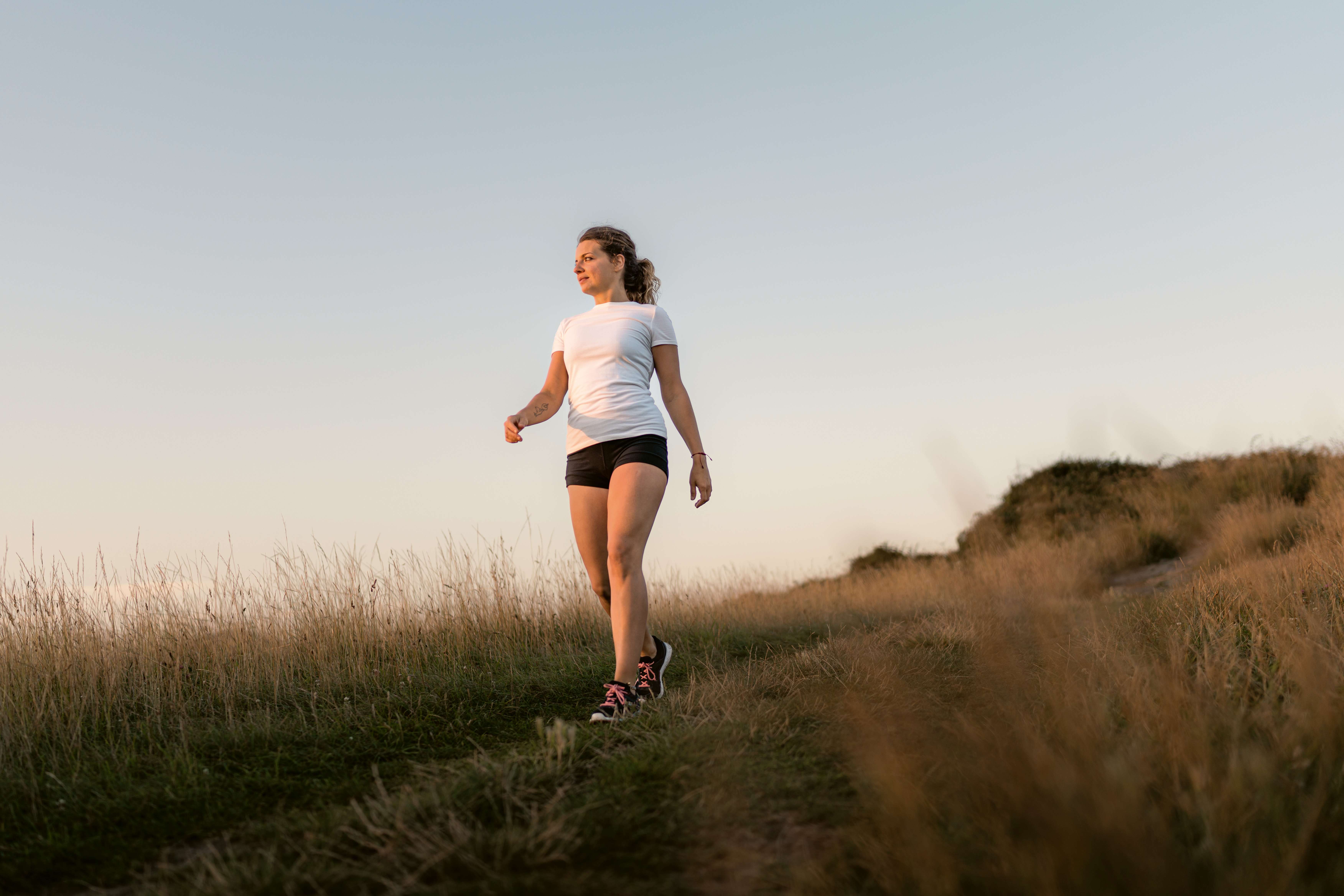
Tip 2: Tailor the intensity of your summer workout to the temperature
Listen to your body and adapt your workout accordingly: the warmer it is, the gentler your session should be. In high summer temperatures it's not advisable to push yourself to your limit. You should adjust the duration and intensity of your workout. Avoid interval training or high-intensity workouts, as these place an especially large strain on the body. If you notice signs of overexertion such as heavy sweating, dizziness or nausea, slow your pace or better yet end your workout session straight away.Tip 3: Wear breathable sports clothing in summer
In summer, wear lightweight, light-coloured, well-ventilated, breathable clothing. Protect your eyes with sunglasses and wear something on your head to guard against sunstroke. Dampen your clothing at regular intervals to boost the cooling process in the heat. After your workout, either change your clothes or dry yourself off thoroughly. Otherwise you're at risk of a stiff neck or even lower back pain if you get caught in a draught.Tip 4: Protect your skin when you exercise too
In summer, sun protection is absolutely essential when doing exercise outdoors. Apply generous amounts of adequate (waterproof) sun protection, even if your workout is in the shade. Reapply your sun cream at regular intervals, particularly if you sweat a lot due to the heat. Wear a headband so that the sun cream doesn't mingle with your sweat and drip into your eyes.
Tip 5: Drink more than usual in the summer heat
Tip 6: Cool off in summer by choosing the right form of exercise

Tip 7: Give your body time to adjust to the summer heat
In summer, give your body enough time to get used to the heat. You can gradually increase the intensity of your workouts over several days or weeks in order to improve your heat tolerance.
Tip 8: First aid in the event of heatstroke
If you or anyone else displays signs of heatstroke, then you need to act fast:
- Move the person into the shade or a cooler place
- Remove or loosen any tight-fitting clothing
- Cool their body down with cool, damp towels or cloths
- If they are conscious, give the person small sips of cool water to drink
- If the symptoms do not improve, call the emergency services immediately on 144!
Conclusion
Doing exercise in the heat of summer poses a number of challenges. Follow these few tips to ensure your workout is really enjoyable and encourages your wellbeing:
- Give yourself time to acclimatise
- Listen to your body
- Adjust the duration and intensity of your workout
- Wear light clothing and dampen it at regular intervals
- Consume plenty of fluids
- Choose sensible times to train
- Seek out shade
- Stop immediately if you experience warning symptoms
SWICA can support you with exclusive services
Up to 900 francs* for preventive services each year
Exercising and building strength will help you stay fit and healthy. That’s why SWICA supports its supplementary insurance customers with generous contributions of up to 600 francs* per year (*find out more). Whether it’s annual memberships for qualified fitness centres or selected group associations, personal training or independent workouts, SWICA supports your exercise activities.
By the way, supplementary insurance is always a valuable add-on to your basic insurance, and you can purchase a plan from SWICA at any time, regardless of which insurer provides your basic insurance.
Free santé24 exercise consultation for SWICA customers
Keen to do some exercise, but don’t want to hire a personal trainer or go to a fitness centre right away? SWICA offers its customers an exercise consultation. The exercise specialists at santé24 motivate you to engage in healthier exercise, even if you have physical limitations. They provide self-help solutions for dealing with tension and pain, offer advice on preventing falls, help you plan your workouts and support you with rehabilitation training after an injury. They also offer advice on building strength, ball sports and running.
The exercise consultation is free of charge but by appointment. Please contact santé24.
santé24 – your Swiss telemedicine service
Phone +41 44 404 86 86
View the entire range of santé24 services
Registration for a telephone consultation


