

There are persistent assumptions about osteoporosis that continue to make the rounds. Some of them may make you feel uncertain, while others could give you a false sense of security. That’s why it’s important to know the facts – because taking early action can go a long way towards combatting bone loss.
Osteoporosis is one of the most common rheumatic diseases. In Switzerland, the disease, also known as bone loss, affects more than half a million people. According to Rheumaliga Schweiz, one in three women and one in five men over 50 experience a measurable decrease in bone density. The disease often goes unnoticed for a long time – until an unexpected fracture or a minor mishap in everyday life provides the first indication of it.
Osteoporosis develops over many years and usually goes under the radar in everyday life. Changes in the bone do not become apparent until late in the progression. But there are things you can do about the disease. Activity, nutrition and targeted exercises play a greater role than many might think. These are the exact areas where most of the wrong assumptions are made. The following are some of the most common misconceptions.

Myth 1: “You’re not allowed to do strenuous exercise.”
Bones need stress, otherwise they become weaker. Strength training, impact-focused workouts and balance exercises are some of the most effective ways to strengthen bones. In its “Aktiv gegen Osteoporose” (“Active against Osteoporosis”) programmes and various courses such as the Osteogym (all links only in german available), the Rheumaliga shows you how to safely increase your workout loads. Many sufferers report more stability and a better sense of their own body after just a few weeks.
Myth 2: “All I need to do is walk.”
Walking is a good start, but it’s no substitute for targeted training. The stimulus from the movement of walking is too uniform. Bones respond particularly well to short spikes in load, resistance, and exercises that place demands on the body. That’s why the Rheumaliga recommends supplementing walks with additional strong training stimuli, such as simple strength exercises, short, faster distances, or light jumping if it’s medically sound. This mix of activities strengthens not only your bones, but also your muscles and balance. It’s exactly this that provides more confidence in everyday life.
Myth 3: “Osteoporosis only affects older people.”
The risk definitely increases with age. However, the basis for strong bones is established much earlier. Nutrition, exercise, hormones, pre-existing conditions such as rheumatoid arthritis and certain medications affect bone health throughout a person’s life. Early prevention is therefore key. Incidentally, women are significantly more likely to develop osteoporosis than men. They are particularly at risk after menopause – for these women, preventive examinations are recommended from age 50.
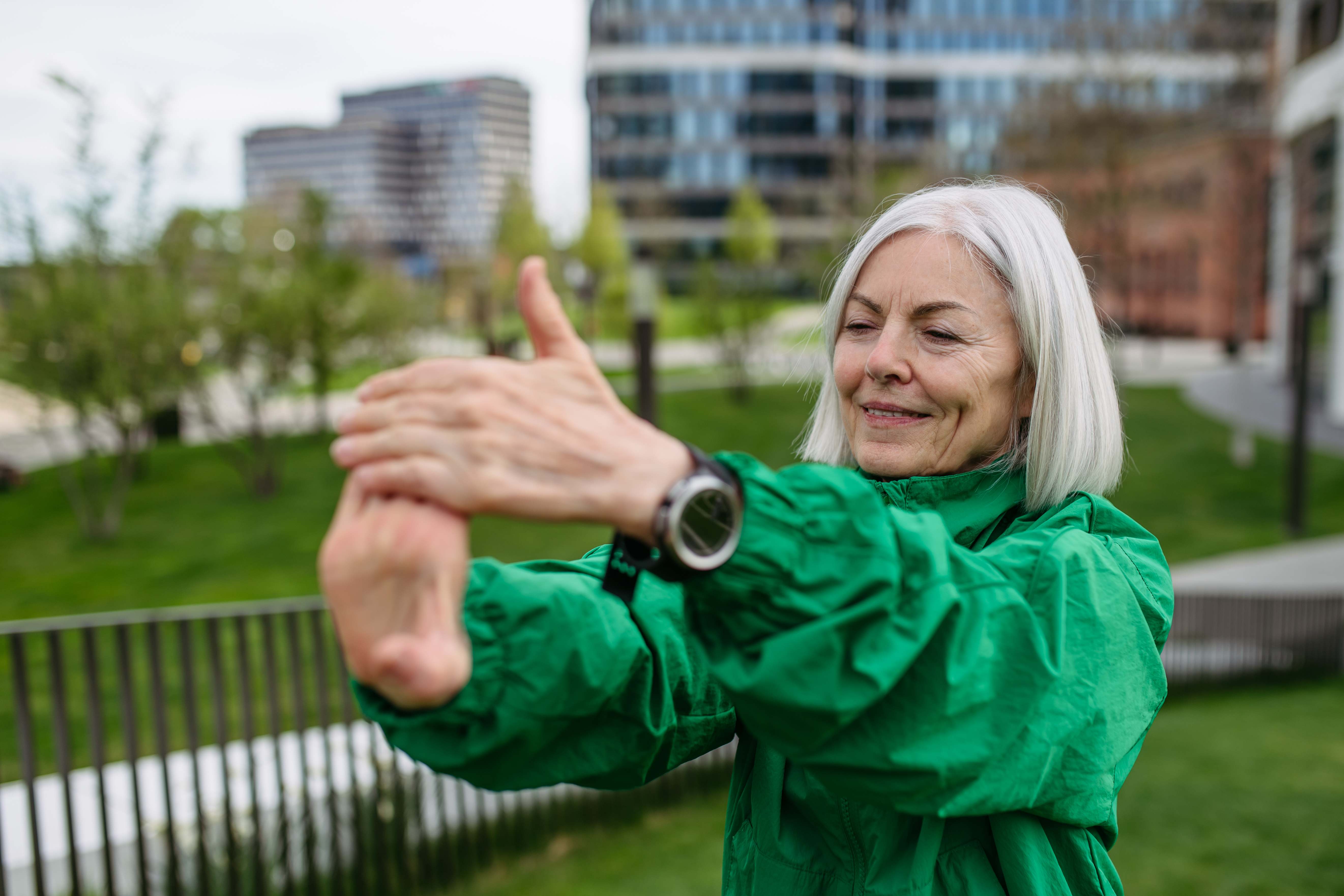
Myth 4: “Falls are the risk, not the bones themselves.”
These two things go hand in hand. Weaker bones break more easily, and poor balance significantly increases your risk of falling. That makes balance exercises just as important as strength training. The Rheumaliga offers online videos with balance exercises that you can conveniently integrate into your daily routine and provide lasting peace of mind.
Myth 5: “After getting a diagnosis, there’s nothing you can do to improve the condition.”
An osteoporosis diagnosis doesn’t mean that the course of the disease is set in stone. What’s crucial is actively managing your own health, for example by reviewing existing risk factors – from medications and hormonal changes to lifestyle habits – and making sensible adjustments together with specialists. Modern treatments can slow down bone loss or even promote bone growth.
Regular check-ups also help make your progress noticeable and optimise your treatment plan. Those who stay informed and consistently make use of their options often regain much more stability and quality of life following their diagnosis.
Myth 6: “Nutrition doesn’t make much of a difference.”
Nutrition is a key component of bone health. Many people overestimate how much calcium they’re getting daily – and underestimate how much they actually need. The Rheumaliga’s calcium calculator shows this discrepancy. In addition, vitamin D deficiency is widespread in Switzerland and makes it difficult for the body to utilise calcium. Nutrition plays an important role for your bones and muscles.
Myth 7: “If they don’t hurt, my bones are healthy.”
In cases of osteoporosis, bone loss usually doesn’t cause pain for a long time and therefore often goes unnoticed. Symptoms often occur only after a bone fracture or significant weakening of the bones has already occurred.

Conclusion regarding osteoporosis myths
If you are able to disregard the myths and make well-informed decisions, you’ll not only strengthen your bones, but you’ll also boost your confidence in your own body. Guidance is available from the Rheumaliga, which has osteoporosis as its current focus topic. It presents background information in a well-organised, accessible format and explains the effective steps you can take in your everyday life, including in an easy-to-understand podcast episode.


